
Grieving the childhood you never had is one of the hardest parts of healing from narcissistic abuse.
But it’s also one of the most misunderstood.
Most grief is about something that was there and is now gone, like a loved one.
But this grief is about a childhood that never even existed.
And on top of that, it’s something part of you wishes it could still somehow get.
Therefore, grieving under these circumstances isn’t just about mourning your childhood.
It’s also about finding ways to give yourself the upbringing you should have had, but never got.
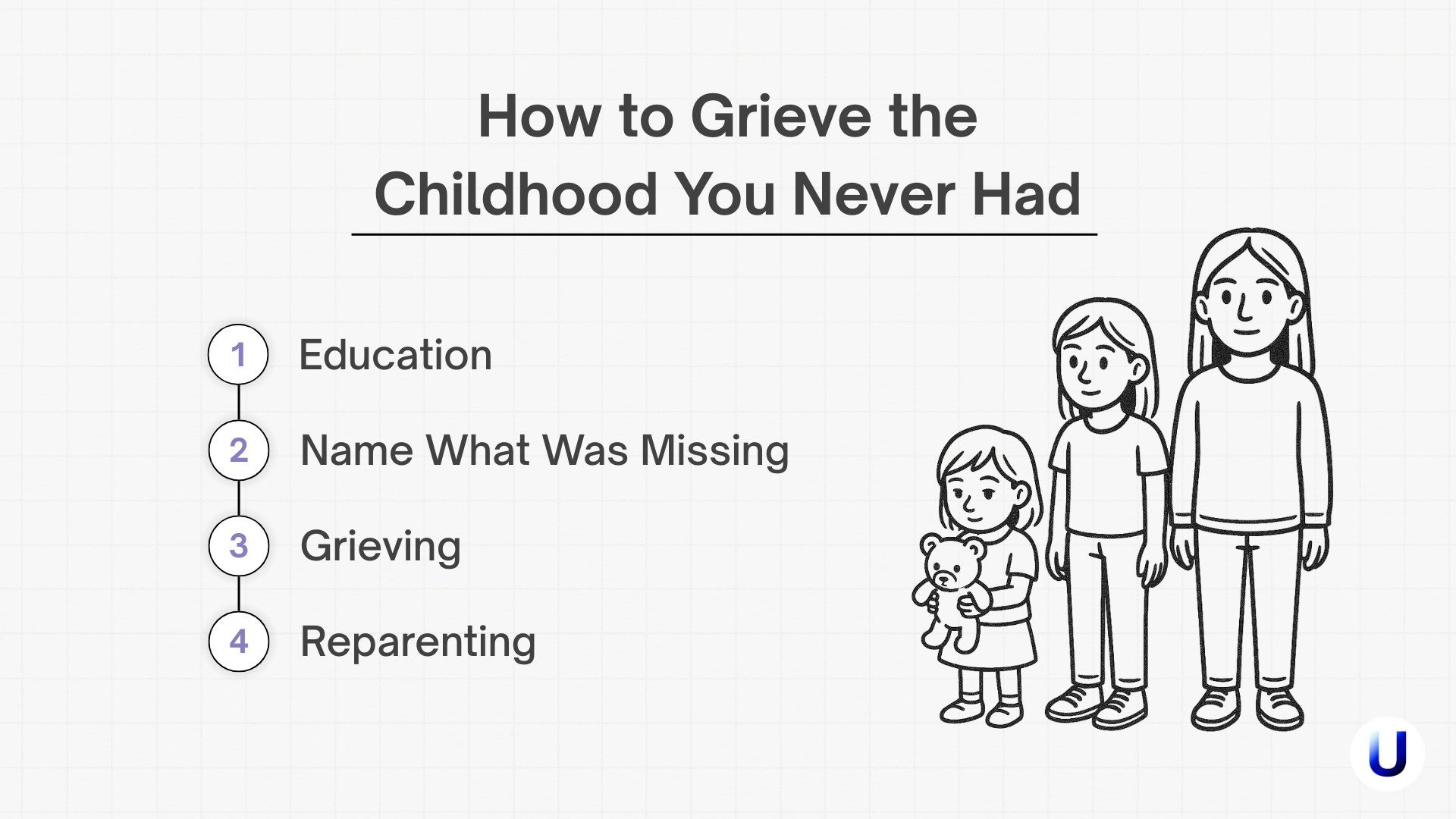
So today, I’m going to walk you through a four step process a woman we’re working with is using to grieve her childhood so you can start grieving yours too.
If we’re just meeting — my name is Juliana Akin. I’m a founder of Unfilteredd, and we help you overcome the effects of narcissistic abuse so you can heal and move forward with your life.
Step 1: Education
The first step of this process is education.
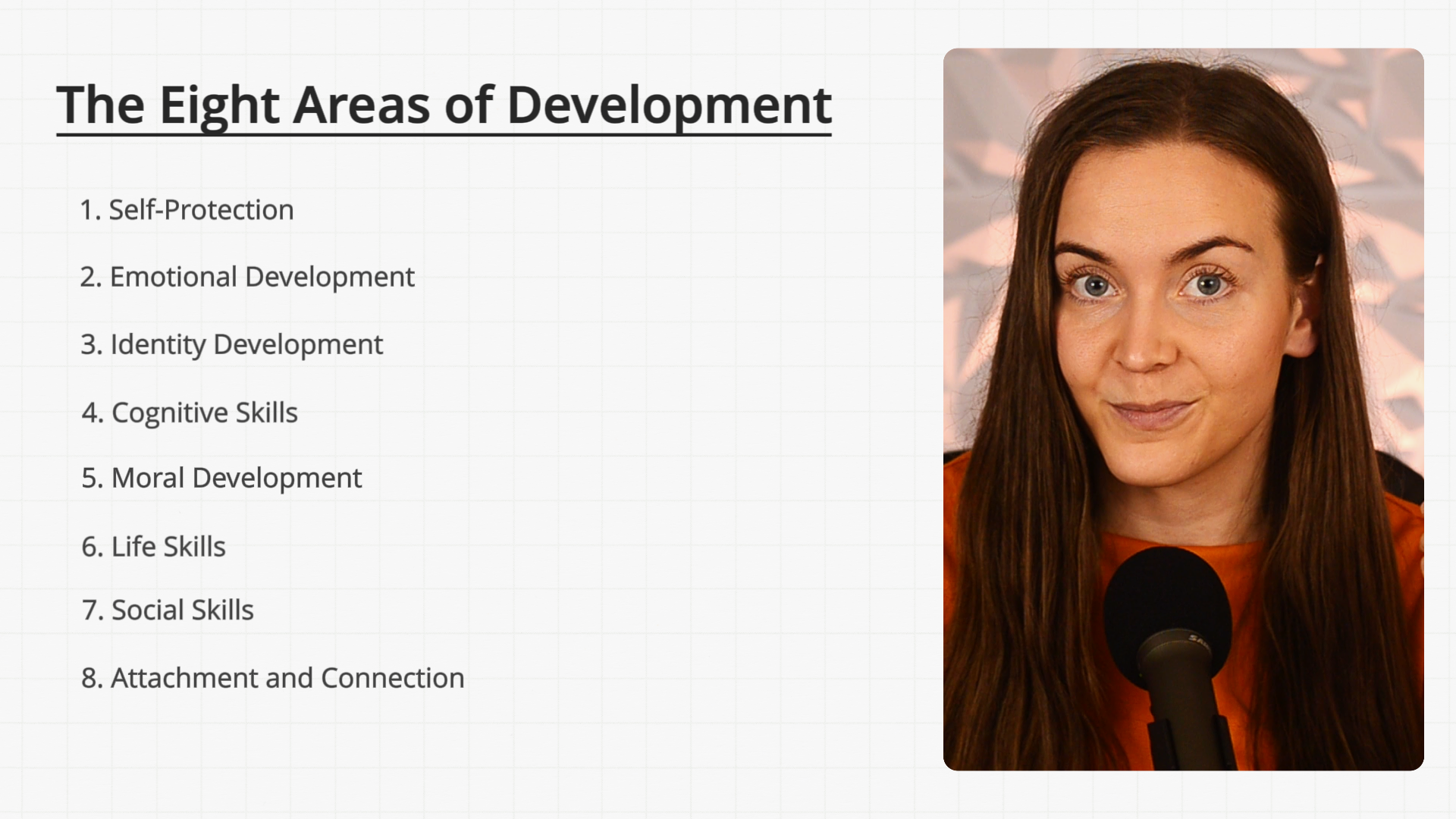
To do this, the woman we’re working with researched how parenting, both healthy and unhealthy, shapes the following eight areas of development.
1.) Self-Protection
This is the ability to recognize what is unsafe, and take action to protect your physical, emotional, mental, sexual, or financial well-being.
2.) Emotional Development
This is the process of identifying, understanding, and regulating your own emotions in healthy ways, as well as how you recognize and understand the emotions of others.
3.) Identity Development
This is how you understand who you are as an individual, and how that person fits into the world around you.
4.) Cognitive Skills
These are how you think critically, retain information, learn new information, solve problems, and make conscious, well-informed decisions.
5.) Moral Development
This is how you develop a personal sense of what is right and wrong, and apply ethical principles to make decisions and act in ways that are fair, just, and considerate.
6.) Life Skills
These are the practical skills needed to function independently in your day-to-day life, and participate as a capable, contributing member of society.
7.) Social Skills
These are how you communicate and interact effectively with others, as well as how you understand and respond appropriately to social cues.
8.) Attachment and Connection
This is how you form and maintain safe, trusting, and healthy relationships with others, as well as how you build a secure and loving connection with yourself.
Once her research was complete, she laid out her notes side by side—one set for healthy parenting, and the other for unhealthy parenting.
This made it easier to compare the two, which is important because it gives you a better understanding of:
- the childhood you didn’t have,
- the parenting you didn’t receive, and
- the version of yourself that could have developed in a healthier environment.
And that understanding is what allows the grieving process to begin.
Step 2: Name What Was Missing
The second step of this process is naming what was missing.
This means reviewing the notes you took in the first step and identifying what specifically was absent from your childhood experience.
For example, you might notice that you weren’t:
- protected
- encouraged
- listened to
- given room to grow
- taught how to manage your emotions
- shown how to trust others, or
- allowed to be yourself
This is an important step because you’re not grieving something that was there and is now gone. You’re grieving something that was never there at all.
So, identifying what specifically was missing from your childhood experience helps you turn these abstract feelings of loss into concrete, identifiable grievances.
This gives your grief something solid to hold on to. It allows you to name what hurt you, understand what you needed, and begin to process the pain with clarity instead of confusion.
Step 3: Grieve
The third step of this process is grieving.
This means allowing yourself to experience and process the impact of not having the childhood you needed or the parenting you deserved.
The approach to this will look different for everyone, but for the woman we’re working with, the three practices that helped her make the most progress were:
- Inner child work
- Letting it out on the page
- And talking it through with someone
Inner child work is when you picture yourself as a child and give that younger version of you the things they needed but never received.
For example, she once made a list of her most painful childhood memories.
And on weekends, she would set aside time to revisit one of them.
She’d close her eyes, bring up the memory, and imagine stepping in as the person she needed— someone who would protect her, comfort her, or simply explain things to her.
Letting it out on the page is when you write a letter to your parent, saying all the things you wish you could say.
Things like how their choices affected your life, what you wish they had done differently, or how angry or hurt you feel — but you don’t send it.
This is because narcissistic people are allergic to accountability.
Instead of owning up to what they’ve done, they’ll go into DARVO — which stands for Deny, Attack, and Reverse Victim and Offender.
In other words, they’ll deny your reality, attack your character, and then claim you’re the one hurting them, which would likely lead to more pain and confusion.
But writing it just for yourself can be incredibly freeing.
It’s a way to express what’s been stuck inside you for years, without having to worry about the potential consequences of opening up.
If you ever want to give this exercise a try but feel stuck or unsure how to begin, the woman we’re working with started her letters with prompts like:
- “I needed you to …”
- “I’m angry because …”
- “I’m sad that …”
- “I wish you had …”
- Or…….. “I still struggle with …”
And she kept going until everything she needed to say was on the page.
Then last, but certainly not least talking it through with someone.
This is when you tell your story to someone you trust — like a therapist, a friend, or a support group — so your experience can be witnessed.
It’s such a valuable option to have during your grieving process because it gives you the validation you need to heal and move forward.
But…
If you don’t have someone you feel safe opening up to, you can click here to sign up for a free one-on-one session with someone from our team.
Helping people overcome the effects of narcissistic abuse so they can heal and move forward with their lives is what we do 24/7, 365.
So if you ever need us, we’re here.
Step 4: Reparenting
The fourth step of this process is reparenting.
This refers to the process of recognizing the developmental needs that went unmet in your childhood and learning how to meet those needs for yourself now.
To understand the role this plays in the grieving process, imagine you’re in a sinking boat in the middle of the ocean.
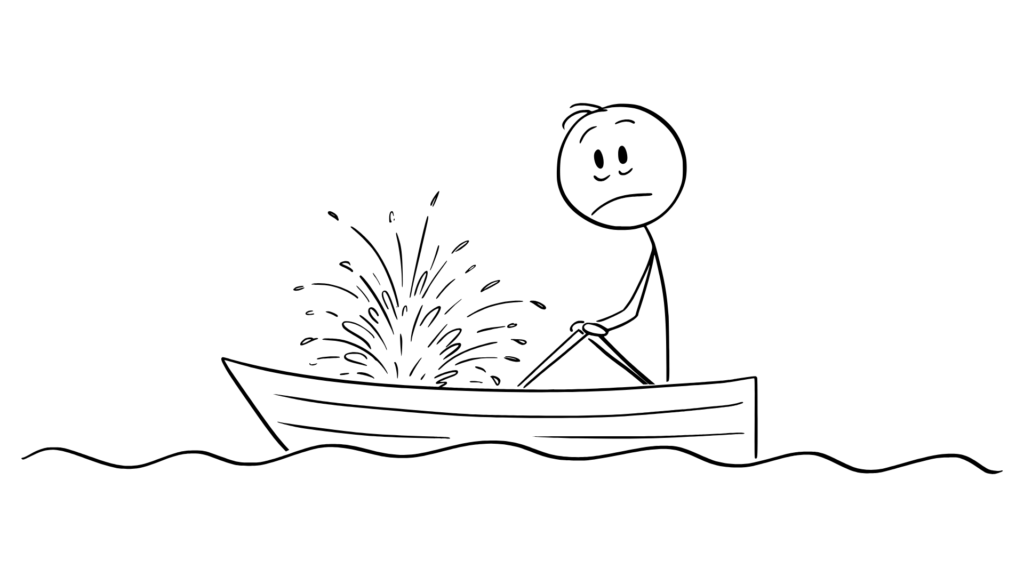
The first three steps help you identify the holes in your ship and process the full extent of the damage.
But your ship won’t stop sinking just because you see the damage — it needs to be repaired.
Reparenting is where you begin fixing those holes, bailing out the water, and sailing toward a life free from the effects of narcissistic abuse that reflects who you truly want to be.
Final Thoughts
Reparenting is not something you rush through.
It is an ongoing process that deserves its own space, care, and attention.
So, in the next episode, I’ll walk you through a complete guide to reparenting to help you move through the fourth step of this grieving process.
And I’ll link to it below as soon as it’s posted.
Read Now: How to Reparent Yourself After Being Raised By a Narcissist
Thank you for reading today’s episode of the Unfilteredd: Narcissistic Families podcast.
If this was helpful and you’d like to read the next one, please subscribe to our newsletter — we’ll let you know as soon as the next episode is released.
My name is Juliana Akin, your guide to overcoming the effects of narcissistic abuse — and I can’t wait to connect with you in a future episode.
Subscribe to Our Newsletter
We’ll send you new episodes of the Unfilteredd: Narcissistic Families podcast 1–2 times a week, along with updates and insights to help you heal and move forward with your life.
About the Author

Hi, it’s Juliana!
I’m a founder of Unfilteredd and we help you overcome the effects of narcissistic abuse so you can heal and move forward with your life.